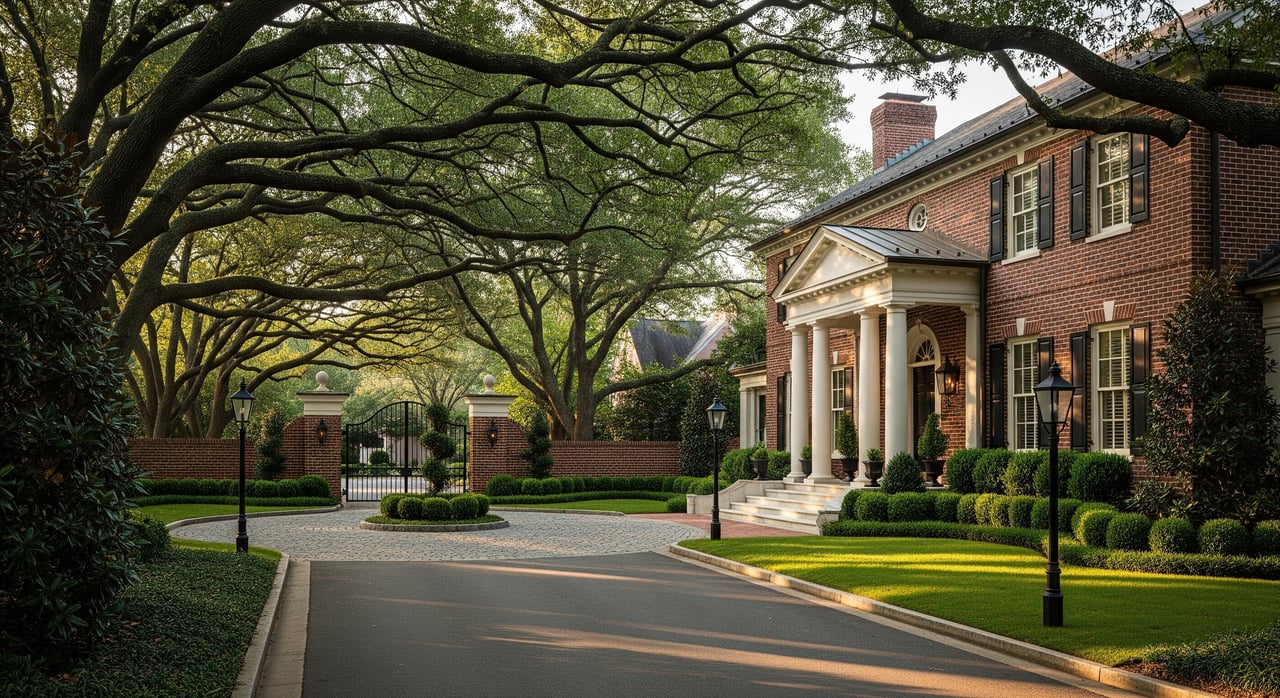
Looking for a calmer side of Buckhead without giving up city convenience? You are not alone. Many buyers want leafy streets, space to breathe, and easy access to parks, schools, and errands. In this guide, you will see what day-to-day life looks like inside Buckhead’s quieter residential pockets and how to decide which streets fit your routine. Let’s dive in.
What “quiet Buckhead” feels like
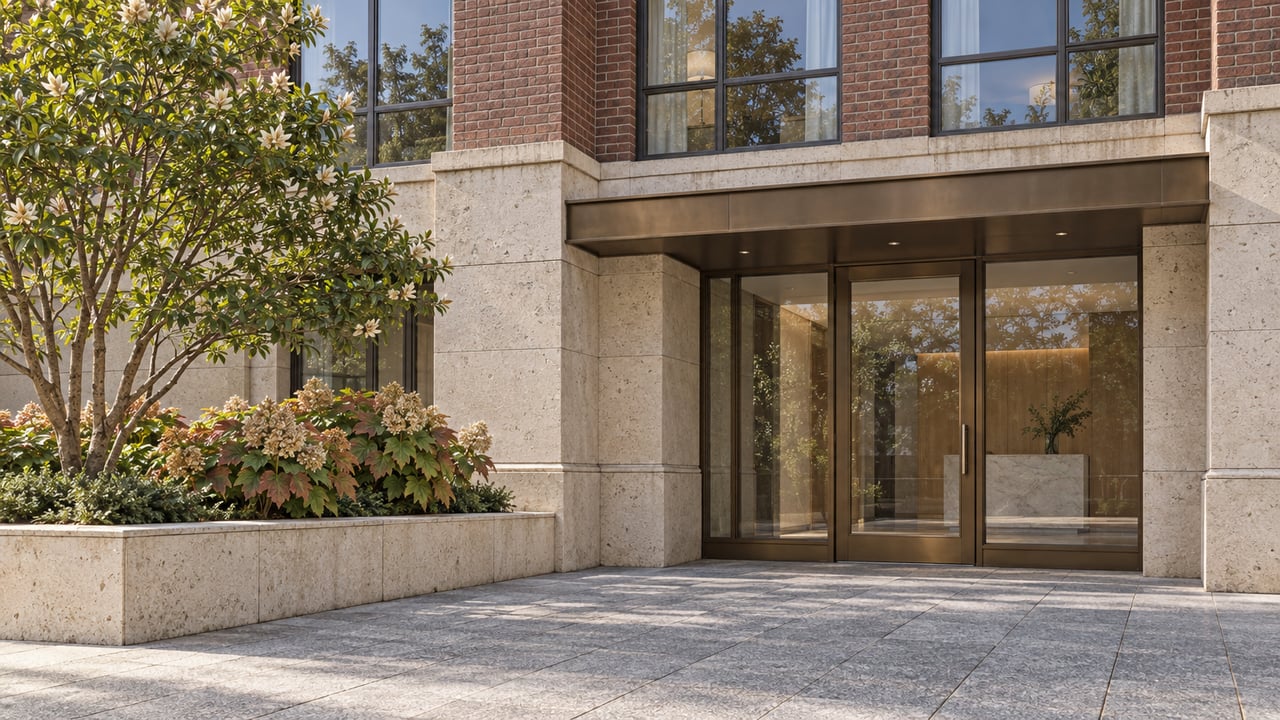
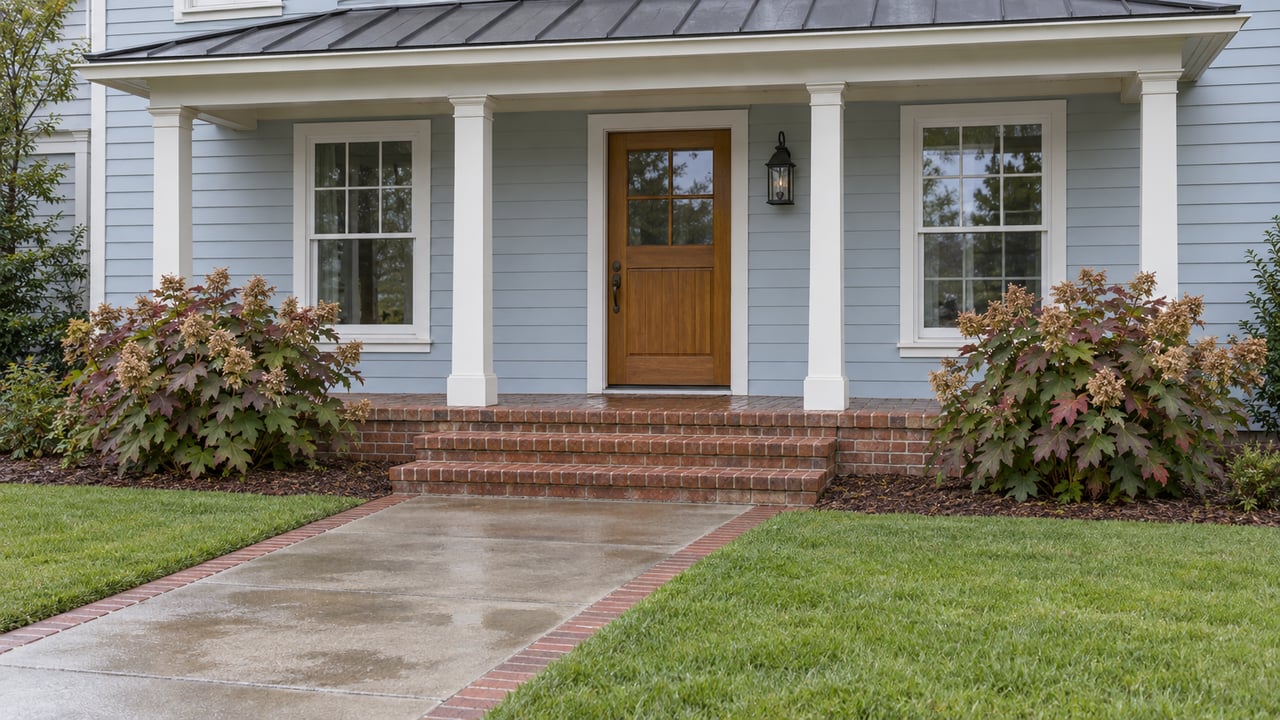
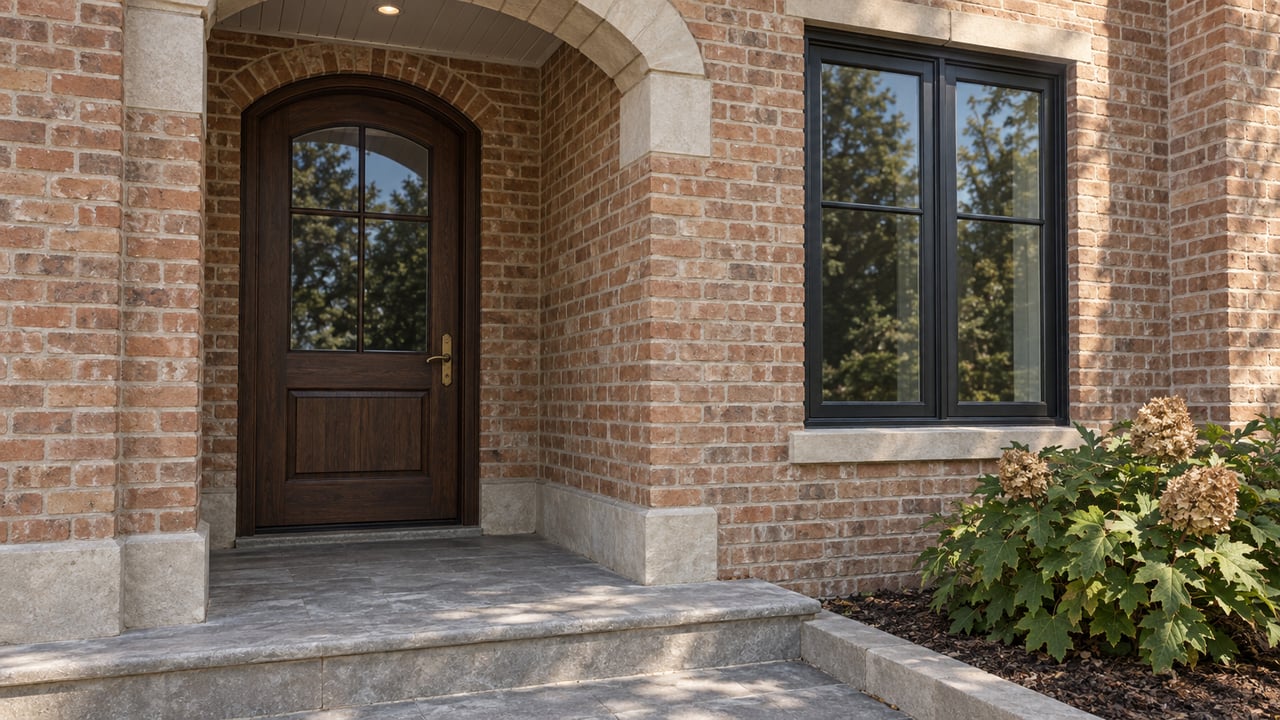
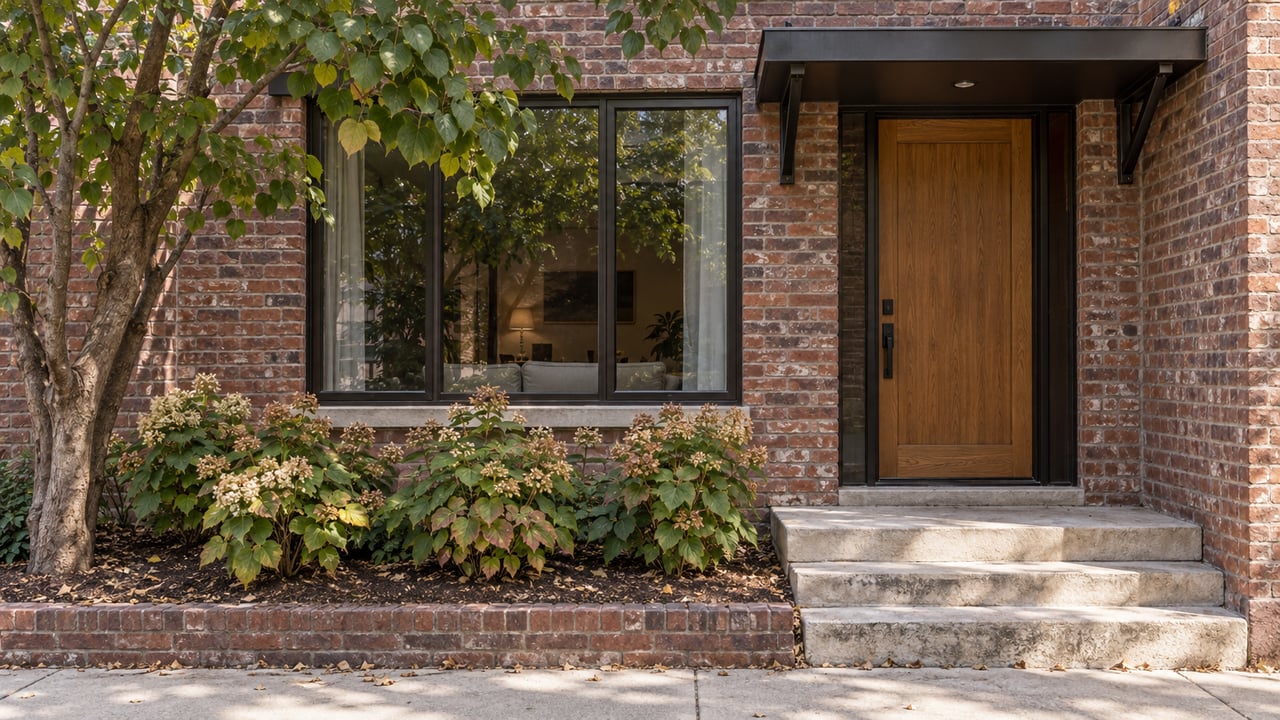
Buckhead blends busy commercial corridors with tucked-away neighborhoods that feel peaceful and residential. In places like Garden Hills, Peachtree Heights East and West, the Chastain Park area, Tuxedo Park, and North Buckhead’s single-family streets, you will find mature trees, sidewalks, and a slower pace. Many blocks are lined with early 20th-century bungalows, Tudors, and mid-century ranches alongside recent rebuilds.
These areas sit a short drive from retail nodes, but daily life centers on home, parks, and neighborhood stops. Some pockets near Peachtree Battle and West Paces Ferry also mix in small townhouse developments, giving you options if you prefer lower maintenance without high-rise living.
Housing styles and lot patterns
Single-family character
Most quiet pockets lean single-family. You will see a spectrum of styles, from classic bungalows and revival homes to mid-century ranches and newer custom builds. Many households are long-term owners, and you will also notice buyers renovating or rebuilding to modern standards.
Townhomes and low-rise condos
Closer to main corridors you will find small townhouse communities and low- to mid-rise condominiums. These sit apart from the luxury high-rises along Peachtree Road, which cluster near retail centers. If you want low maintenance with a neighborhood feel, these smaller-scale options near the residential blocks can be a strong fit.
Renovation vs. new construction
Buyers often balance historic charm against the convenience of new builds. Older homes may need updates to systems or layouts, while new construction can offer modern floor plans. Lot sizes vary block by block, so it helps to compare specific streets when you tour. It is also wise to factor maintenance, renovation scope, and property taxes into your early budget talks.
Daily routines you can expect
Mornings near home
Start your day with a quick walk to a local coffee shop if your block has nearby retail, or plan a 5 to 10 minute drive to a neighborhood café. School drop-off is usually close by, with public and private options in or near Buckhead. Many parents plan a stop by a park or playground after school on mild-weather days.
Midday errands and quick trips
Grocery runs and essentials are simple. You can reach full-service supermarkets and specialty markets within a short drive, and boutique shopping is close at Lenox Square, Phipps Plaza, and the Buckhead Village District. Walkability varies by block, so it helps to map your nearest pharmacy, coffee, and grocery to see how your daily loop flows.
Evenings and weekends
Evenings often revolve around neighborhood restaurants and parks. On weekends, you might plan a run or stroller walk, catch a local event, or set up a picnic. Quiet residential streets sit several blocks away from nightlife, so your evenings can stay relaxed even though you are near popular dining areas.
Parks and outdoor life
Chastain Park is a major anchor for outdoor recreation. You will find trails, sports fields, playgrounds, an amphitheatre, and equestrian facilities, with events that draw neighbors together on warm evenings. Smaller pocket parks, dog areas, and greenways are sprinkled throughout the area, and multi-use trails connect parts of Buckhead to neighboring communities.
The mature tree canopy shapes the look and feel of these streets. Shade is a daily perk in the summer, and it creates a distinct sense of place. If you plan to buy, budget for tree inspections and ongoing care, and consider how roots and drainage might affect older driveways or foundations.
Getting around
MARTA and bus options
Buckhead has MARTA rail stations and several bus routes that support commutes to Midtown and Downtown. Routes and schedules change over time, so you will want to check current service before you plan your routine. If transit is important to you, map your closest station, typical peak times, and parking options.
Driving realities
Peachtree Road and GA 400 are the main driving corridors through and around Buckhead. Traffic congestion is common during peak commute windows, so test your route at the times you expect to drive. Many residents set up flexible schedules or alternate routes to keep trips predictable.
Walking and biking
Some residential pockets offer sidewalks and shorter blocks, while others are more spread out and car-oriented. Recreational biking benefits from multi-use trails, but on-street bike infrastructure varies. If walkability matters to you, plan a few practice loops to your top destinations and track real travel times.
Schools and everyday services
The area is served by Atlanta Public Schools, and several private schools are in or near Buckhead. School zones and enrollment policies can shift, so confirm your specific address assignment and application steps if schools are a priority. Neutral, factual information from district resources and school websites can help you compare options.
Daycare centers, pediatric clinics, and family services are typically a short drive away. You can also access primary care and urgent care across Buckhead, with major hospitals reachable within a reasonable drive time. Public library branches and community centers add convenient programming and quiet study space to your weekly routine.
Community life and future change
Neighborhood associations
Buckhead’s neighborhoods often have active associations and community improvement groups focused on streetscapes, mobility, safety discussions, and development. These organizations can be helpful for project updates, event calendars, and block-level perspectives as you evaluate a home.
Events and culture
Local life includes park concerts, seasonal farmers markets, and small festivals that bring neighbors together. Performances at Chastain Park are a popular highlight, and many residents build weekends around outdoor activities and casual dining with friends.
Development and zoning
Infill and redevelopment near commercial corridors are ongoing. That can mean construction noise or traffic shifts for certain blocks, and it can also introduce new shops and services over time. If you care about what is planned nearby, review zoning maps and any relevant overlay districts, and check neighborhood association minutes or city planning notices before you buy.
Quick buyer checklist for tours
- Visit at multiple times. Check weekday mornings, after-school hours, and weekend evenings for traffic, park use, and any nightlife noise.
- Map your daily loop. Note your closest grocery, pharmacy, coffee, and transit stops, and time peak-hour drives to work or school.
- Confirm school details. Verify public school zone assignments and identify nearby private school options, along with enrollment steps and timelines.
- Inspect the basics. Older homes may need roof, HVAC, drainage, or tree work. Ask for recent inspections and service records.
- Ask about future projects. Speak with the seller or neighbors about planned construction and review city planning resources.
- Understand parking rules. Check on-street parking patterns, permit needs, or HOA policies that might affect guests or extra vehicles.
- Review HOA documents. If buying a townhouse or condo, request fees, rules, and reserve information early.
- Test your commute. If you plan to use MARTA, confirm the nearest station and schedule. If you will drive, test your route at peak times.
Street-by-street highlights to explore
- Garden Hills. Tree-lined residential blocks with a mix of older homes and newer builds, plus nearby neighborhood retail and parks.
- Peachtree Heights East and West. Smaller-scale streets near Peachtree with access to shops and dining several blocks away.
- Chastain Park area. Easy access to trails, fields, playgrounds, and seasonal performances, with a mix of home styles and lot sizes.
- Tuxedo Park. Primarily single-family with larger lots in sections and a classic residential feel set back from main corridors.
- North Buckhead single-family streets. A blend of ranches, newer construction, and townhomes depending on the block.
- Pockets near Peachtree Battle and West Paces Ferry. Townhome options and low-rise condos interwoven with residential streets.
Is Buckhead’s quiet side right for you?
If you want in-city living that still feels residential and calm, Buckhead’s quieter neighborhoods deliver a strong balance. You get tree canopy, local parks, and familiar neighborhood routines, plus quick access to retail, dining, and transit. With a range of home styles and a wide price spectrum across short distances, your best fit often comes down to a few specific streets.
When you are ready to compare blocks, plan a hands-on tour and bring your checklist. If you want guidance on neighborhoods, home values, or a seamless move, reach out to Erin Olivier for buyer representation, relocation support, and instant valuation tools.
FAQs
How quiet are Buckhead’s residential streets day to day?
- Quiet pockets are typically set back from nightlife and major corridors, but noise varies by block, so visit at different times to gauge traffic, events, and any construction.
What housing types are most common in these areas?
- Predominantly single-family homes with styles ranging from early bungalows and revival homes to mid-century ranches and newer construction, plus some townhomes and low-rise condos near corridors.
How close are parks and playgrounds in Buckhead?
- Chastain Park is a major amenity with trails, fields, playgrounds, and performances, and smaller parks and greenways are scattered through residential areas for easy access.
What should I plan for with older homes?
- Expect potential updates to roofs, HVAC, drainage, and tree care, and request recent inspections and service records to understand the scope and timing of maintenance.
How walkable are the quiet neighborhoods?
- Walkability is highly block dependent, with some streets offering sidewalks and short blocks while others are more car oriented, so map your daily loop to verify.
What are the commute options from Buckhead to Midtown or Downtown?
- You can use MARTA rail and bus routes or drive via Peachtree Road and GA 400, and you should check current transit schedules and test peak-hour drives to time your trip.