Ever wish your day did not have to start and end in the car? If you are drawn to neighborhoods where coffee, dinner, green space, and a quick errand can fit into the same routine, Decatur stands out for exactly that reason. Here is what walkable everyday living can really look like in Decatur, and how the city’s layout, districts, and housing options shape daily life. Let’s dive in.
Why Decatur Feels Walkable
Decatur is compact by design. The city has about 25,000 residents across roughly 4.6 to 4.7 square miles, and it reports more than 60 miles of sidewalks, tree-lined streets, low-traffic neighborhoods, neighborhood schools, and numerous parks.
That physical setup supports a true walk-first feel. The city also describes Decatur as a Gold Level Walk Friendly Community, a Silver Level Bicycle Friendly Community, and the most walkable city in Georgia by Walk Score.
Downtown planning reflects that same goal. The Downtown Development Authority says it works to maintain the small-town character of downtown and support pedestrian connections that reduce reliance on cars.
Walkable Districts Shape Daily Life
One of the biggest reasons Decatur works so well for everyday living is that daily needs are not pushed into one single area. Instead, several districts help break up errands, dining, and social time into places you can return to again and again.
The Square
The Square is the historic core of downtown Decatur. It is a 15-block walkable district with more than 40 retailers and more than 45 restaurants.
In practical terms, that means your routine can stay flexible. You might head there for lunch, pick up a quick item, meet friends for dinner, or stay out for music or nightlife without needing to cross town.
West Ponce
West Ponce is built for repeat visits. The city describes it as a west-side district with breakfast, lunch, dinner, coffee, shopping, fitness studios, and convenient services.
This area also reflects Decatur’s broader housing mix. The city notes that condos and apartments have expanded the market beyond the adjoining single-family neighborhoods, which can appeal if you want a lower-maintenance lifestyle near daily conveniences.
Oakhurst
Oakhurst has a more neighborhood-scale rhythm. It centers on Harmony Park and offers a mix of practical and social stops, including coffee, pastries, sandwiches, cocktails, brunch, brews, and everyday staples.
The city specifically highlights Oakhurst Market for organic produce, wine, craft beer, and prepared foods. That matters because truly walkable living is not just about restaurants. It is also about covering the basics close to home.
Old Depot District
Old Depot District blends historic character with destination dining and arts-oriented uses. The city highlights dining, sweet-shop stops, salon uses, and gallery-type spaces in this part of town.
It also serves nearby residents and students, which gives it a steady everyday purpose. This is the kind of district that can make a short walk feel more interesting, even when you are just stepping out for a quick meal or change of scenery.
East Decatur Station
East Decatur Station is one of the more mixed-use and evolving areas in the city. Along the College Avenue corridor, the city describes small gourmet restaurants, neighborhood pizza, corner pubs, more traditional retail, and new mixed-use residential development.
That mix can support a practical, close-to-home routine. It also adds another option for buyers who want a more connected lifestyle without relying on a fully historic neighborhood setting.
What a Typical Day Can Look Like
In many places, walkability sounds good in theory but feels limited in real life. Decatur is different because its compact scale and clustered districts make it possible to combine several parts of your day within the city core.
A normal day might include coffee in the morning, a walk through your neighborhood, time at a park, dinner in one of the district hubs, and a live show later in the evening. Based on the city’s scale, district layout, and event programming, that kind of car-light routine is a realistic part of life here.
That does not mean every errand is always on foot. It does mean your week can feel more local, more connected, and less centered around driving for every small task.
Parks and Trails Add to the Routine
Walkable living is not only about shops and restaurants. It also depends on whether you can easily reach outdoor spaces that support exercise, downtime, and everyday connection.
Decatur Parks and Recreation says its mission is to inspire healthy living and meaningful connections. The city reports eight parks and three pools, including a new pool at McKoy Park.
For biking and longer outdoor movement, the Stone Mountain Trail passes through Decatur. The city notes paved segments, quiet tree-lined streets, and bike lanes on many major roads, which helps extend the walkable lifestyle into a broader bike-friendly routine.
Events Make Everyday Life Feel Full
Another part of walkable living is what happens after the errand list is done. Decatur’s official event pages highlight a broad mix of music, art, books, barbecue, beer, wine, workshops, walking tours, and live performances.
The city also points to places and activities like Eddie’s Attic, the Decatur Book Festival, public art around downtown and Oakhurst, and family activities such as the Story Walk. For you, that can mean your neighborhood does more than function well. It can also give you reasons to stay engaged close to home.
Housing Options Support Different Lifestyles
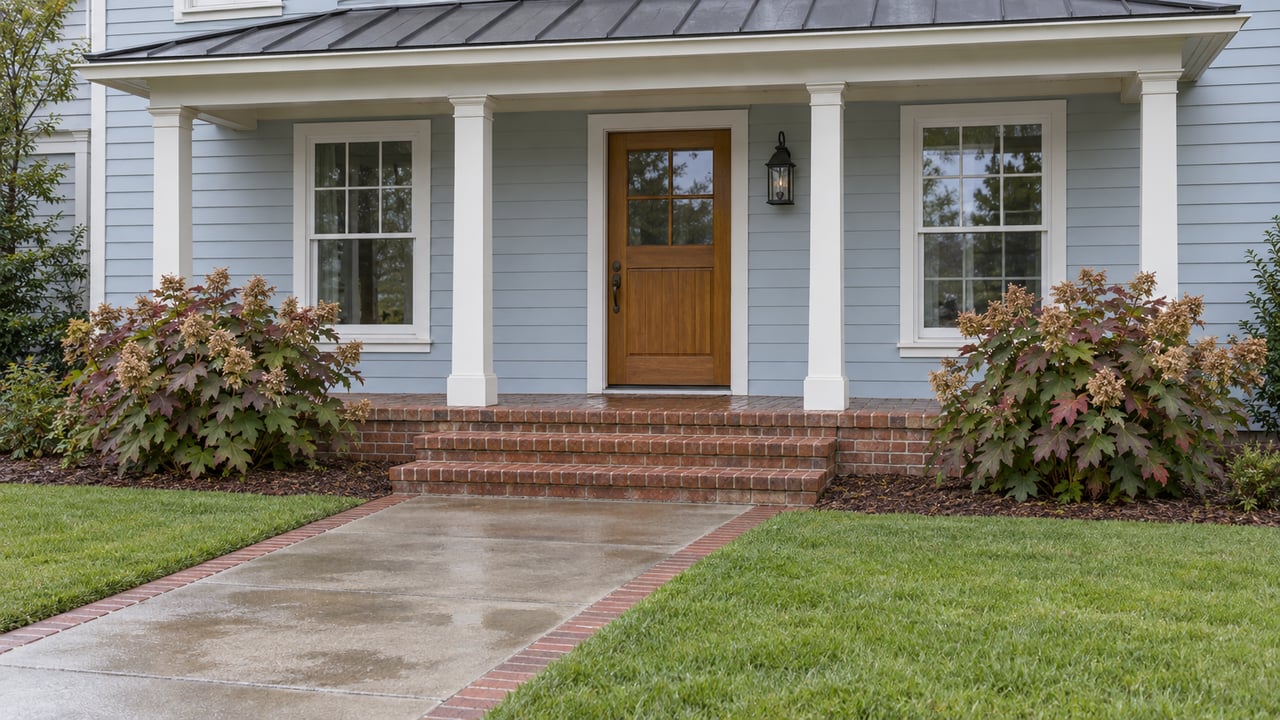
If you are considering a move to Decatur, the housing stock plays a big role in how walkable life feels day to day. The city says Decatur was largely built out during the 1920s, with Craftsman bungalows and early-1900s homes common in many neighborhoods.
Decatur also regulates five local historic districts: MAK, Clairemont Avenue, Old Decatur, Parkwood, and Ponce de Leon Court. In Old Decatur, design guidelines describe an eclectic mix of house types and styles, with many Craftsman and Queen Anne homes, plus common materials like brick and clapboard siding.
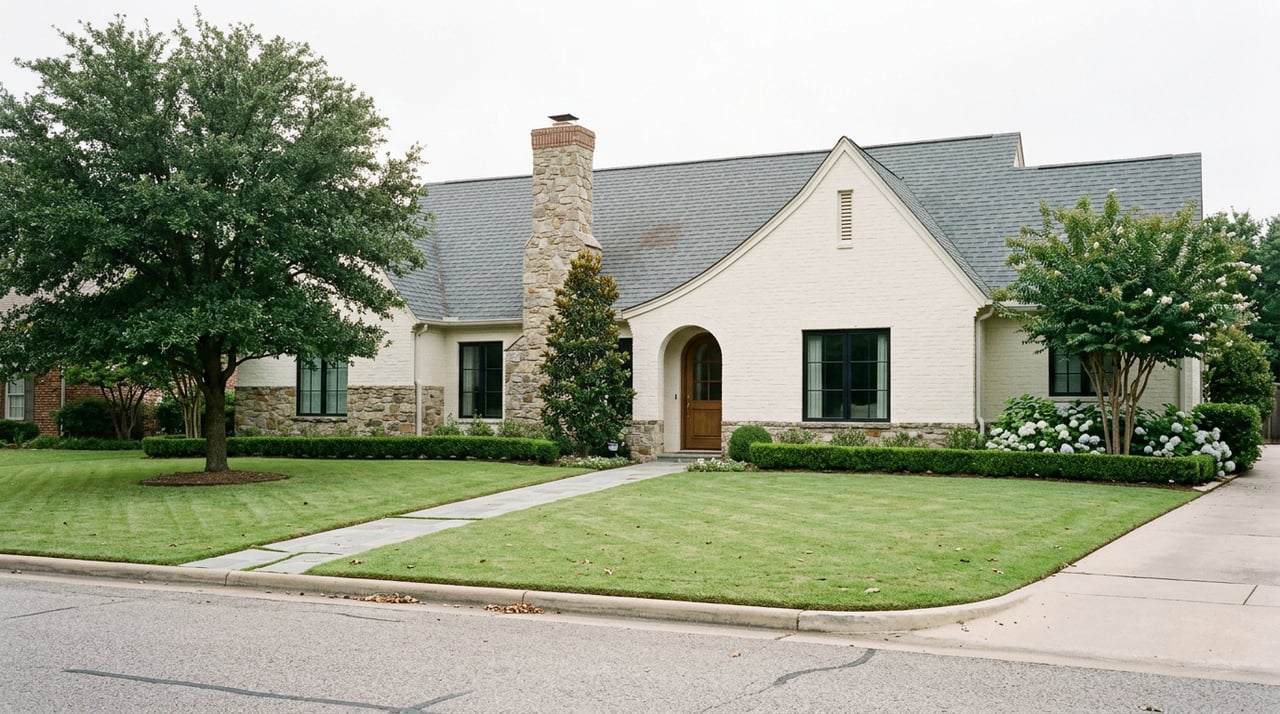
That older housing fabric helps explain why many parts of Decatur feel established and human-scaled. At the same time, Decatur is not limited to historic single-family homes.
West Ponce has added condos and apartments, and East Decatur Station includes new mixed-use residential development. That broader range can give you more flexibility if you want walkability but have different preferences around home style, upkeep, or price point.
Decatur for Remote Workers and Commuters
Walkable living means different things depending on how you work. If you work remotely, Decatur offers some practical advantages beyond just having places to grab coffee or take a midday walk.
The city says municipal Wi-Fi is widely available downtown, and visitor information notes Wi-Fi in Oakhurst and at the city’s biggest parks as well. Census QuickFacts also show that 98.0 percent of households have a computer and 94.5 percent have a broadband internet subscription.
If you commute beyond Decatur, the city says there are three MARTA stations within city limits. It also notes a free Cliff shuttle between downtown Decatur and Emory University, along with easy access to downtown Atlanta and regional attractions.
That combination matters because it supports a balanced routine. You can keep much of your daily life local while still having straightforward access to the larger metro area when needed.
Who Decatur Walkability Fits Best
Decatur tends to appeal to people who want convenience with character. If you like the idea of being able to step out for coffee, reach green space without a long drive, and have dinner or entertainment nearby, the city’s layout supports that kind of rhythm.
It can also be a strong fit if you are relocating and want a neighborhood that feels connected quickly. Walkable districts often make it easier to learn an area, settle into routines, and feel part of the local flow faster.
For buyers comparing lifestyle trade-offs, Decatur offers a specific kind of value. It gives you a compact, active environment where older homes, mixed-use areas, parks, trails, and transit all play a role in everyday convenience.
Thinking About a Move to Decatur
If Decatur’s walkable lifestyle sounds like the kind of routine you want, it helps to look closely at how each district, housing type, and location lines up with your day-to-day needs. Your ideal fit may depend on whether you want historic character, newer mixed-use living, easier transit access, or the ability to keep more of life within a short walk.
That is where neighborhood guidance matters. If you want help comparing areas, understanding how different parts of Decatur live in real life, or planning a move within metro Atlanta, Erin Olivier offers dependable communication, local insight, and white-glove support every step of the way.
FAQs
What makes Decatur, Georgia, feel walkable?
- Decatur is compact, with about 25,000 residents across roughly 4.6 to 4.7 square miles, more than 60 miles of sidewalks, tree-lined streets, low-traffic neighborhoods, parks, and several walkable districts that cluster daily activities.
Which Decatur districts are best for everyday errands and dining?
- The Square, West Ponce, Oakhurst, Old Depot District, and East Decatur Station each support different parts of daily life, from coffee and groceries to restaurants, services, and neighborhood-scale shopping.
Does Decatur have parks and trails for an active lifestyle?
- Yes. The city reports eight parks, three pools, and access to the Stone Mountain Trail, with paved segments, quiet streets, and bike lanes on many major roads.
What kinds of homes are common in Decatur?
- Decatur is known for older housing stock, including Craftsman bungalows and other early-1900s homes, but it also includes condos, apartments, and newer mixed-use residential options in areas like West Ponce and East Decatur Station.
Is Decatur practical for remote workers and commuters?
- Yes. The city says municipal Wi-Fi is widely available downtown, with additional Wi-Fi in Oakhurst and major parks, and there are three MARTA stations within city limits plus the free Cliff shuttle between downtown Decatur and Emory University.