Torn between the porch charm of a Decatur bungalow and the turnkey ease of a new build? You are not alone. Both options offer real value in the City of Decatur, and the right fit comes down to lifestyle, maintenance appetite, energy priorities, and your plan for future changes. In this guide, you will learn how these home types differ in Decatur, what to check before you buy, and how to decide with confidence. Let’s dive in.
Decatur bungalow basics
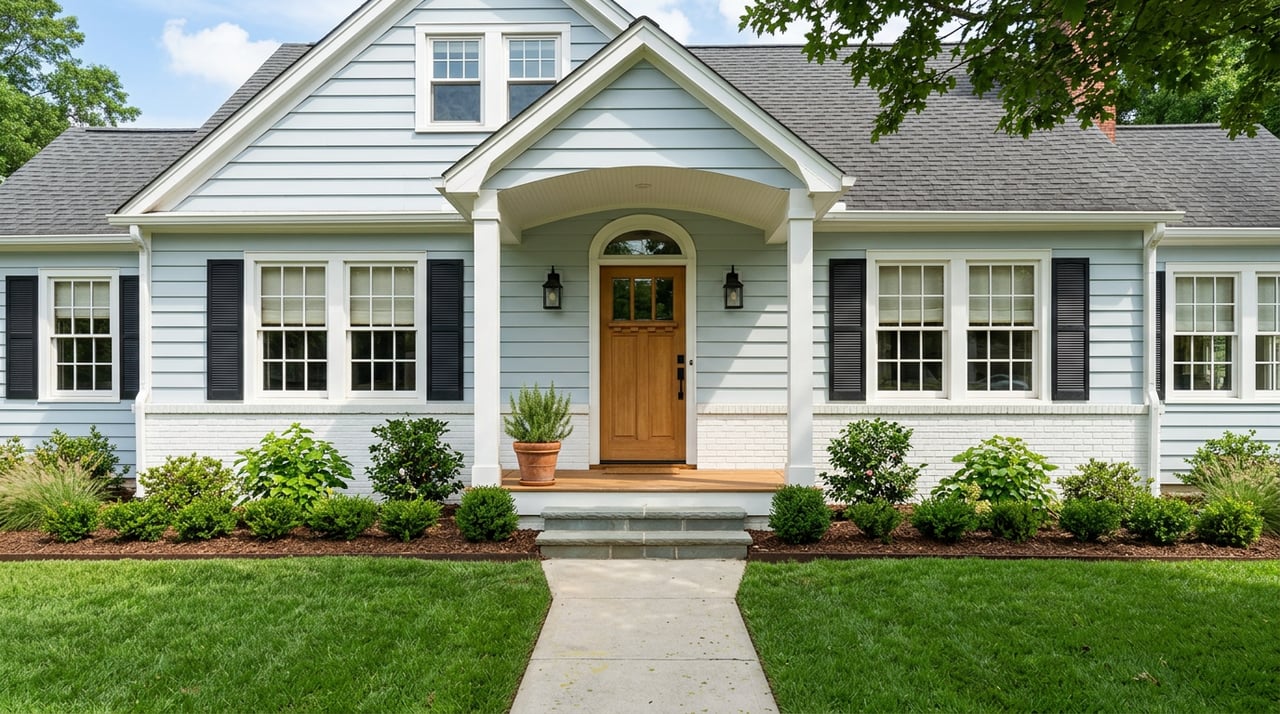
Decatur is known for early 20th-century Craftsman bungalows, many built in the 1920s. Typical features include low-pitched gabled roofs, wide eaves with exposed rafters, generous front porches, built-in cabinetry, and compact 1 to 1½-story floor plans that separate living and dining spaces. You will often find original woodwork and period details that anchor the home’s character. These are the qualities many buyers picture when they say “bungalow.” The National Register documentation for Craftsman-era homes offers a helpful overview of these features.
Many of Decatur’s older neighborhoods feature mature tree canopy, consistent front setbacks, and a strong porch culture. That street feel is part of the fabric. Tree-lined blocks and modest front yards support neighborly interaction and a sense of continuity across the block, as noted in local landscape discussions of Decatur’s canopy and streetscapes. You can see those elements reflected in guides to Decatur’s landscaping and mature trees.
If the bungalow you love sits inside a local historic district, exterior work may require a Certificate of Appropriateness. Decatur’s Historic Preservation Commission reviews additions, material changes, and demolitions in these districts. Before you plan a dormer, porch rebuild, or new siding, check the city’s process and design guidelines on Decatur’s local historic districts page.
New builds in Decatur today
New construction in Decatur typically appears as single-family infill on existing lots, small subdivision infill, or townhome and multifamily projects closer to downtown and transit. Infill can replace smaller, older houses, and homes may be larger than the originals, sometimes with different massing and footprints. This scale shift can affect neighbor privacy, tree removal, and stormwater handling and has been part of ongoing public conversations about teardowns and compatibility, as documented in local planning history discussions.
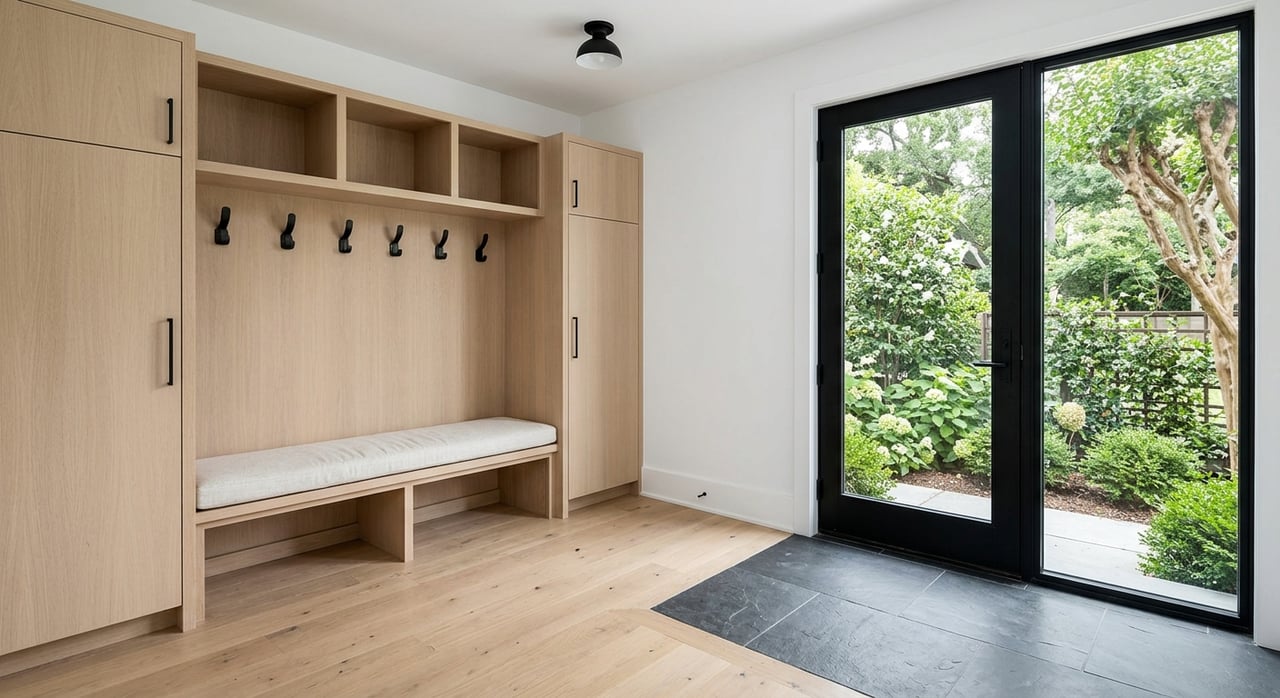
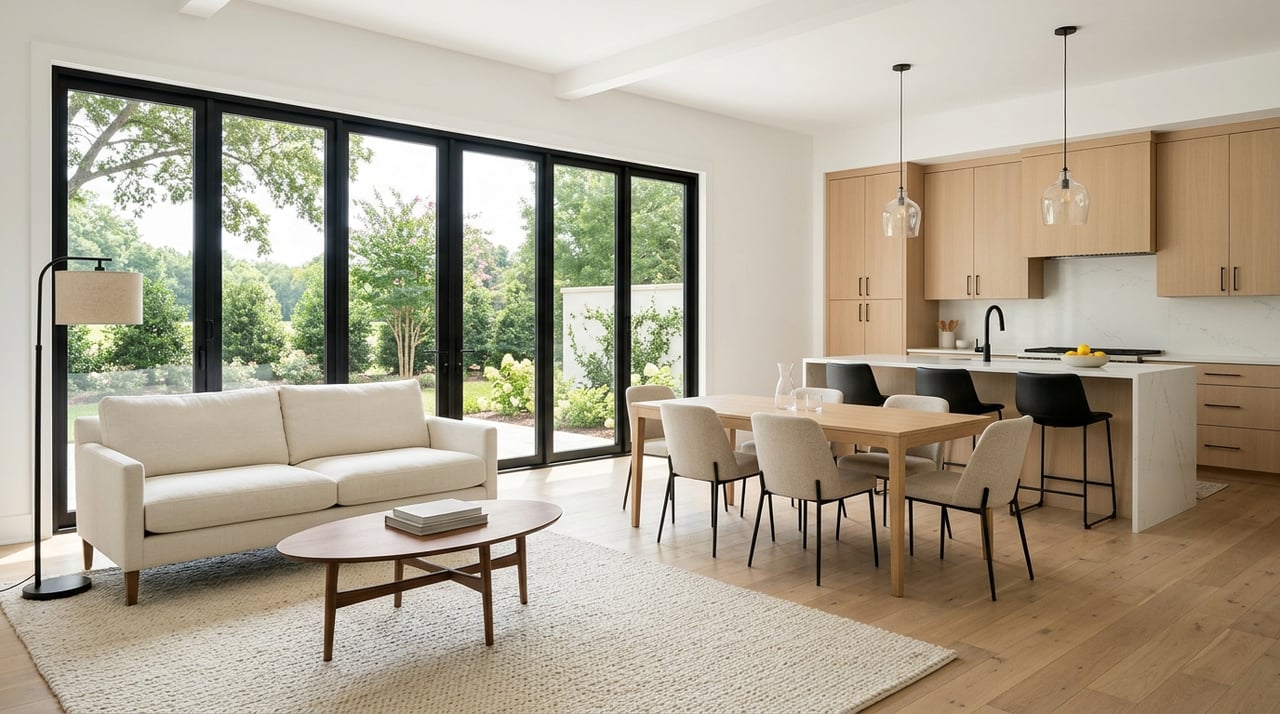
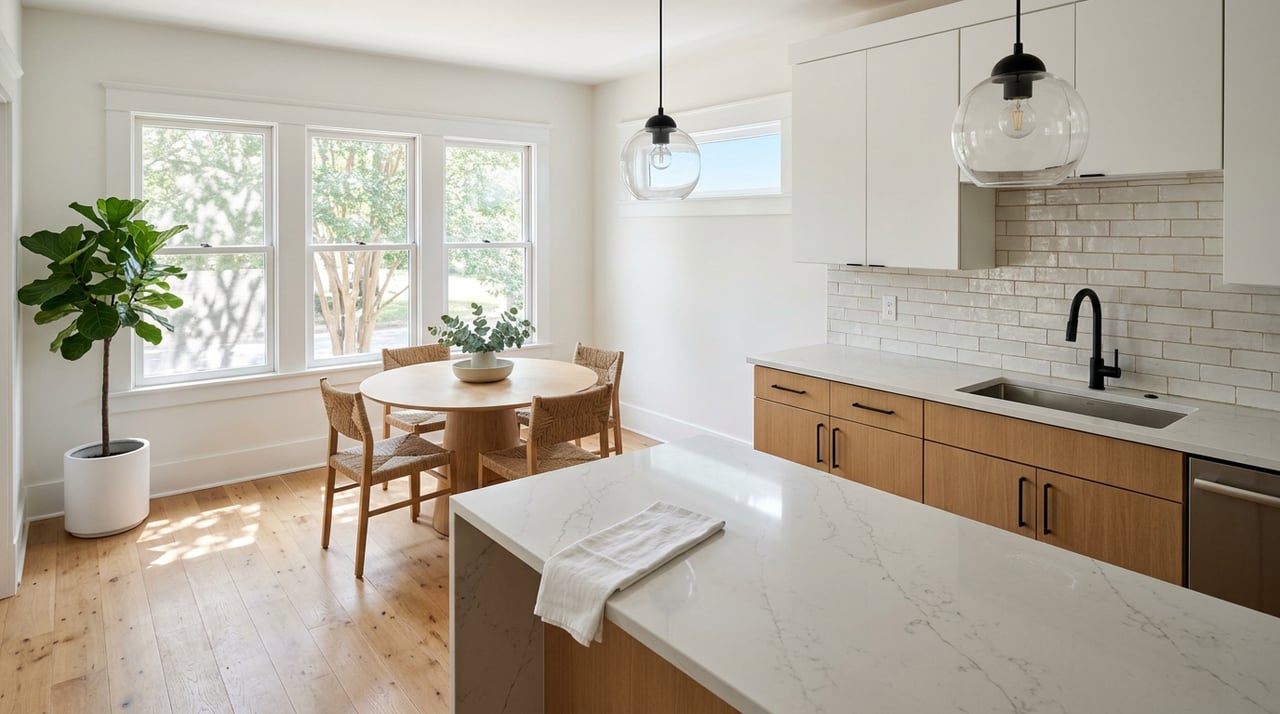
Inside, newer homes usually emphasize open floor plans, larger kitchens with islands, more bathrooms, taller ceilings, attached garages, and modern mechanical systems. HVAC, electrical panels, and ductwork are sized and designed for current codes and today’s loads. If you focus on efficiency, look for ENERGY STAR–certified new homes. The program verifies air sealing, insulation, HVAC, and water management. According to ENERGY STAR, certified new homes can deliver up to roughly 20 to 30 percent energy savings compared with typical new homes and even greater savings versus many older homes that lack upgrades.
Energy use and bills
Energy performance can be a deciding factor. ENERGY STAR–certified new homes meet verified standards that reduce heating and cooling loads, improve comfort, and manage moisture. That can mean lower per-square-foot energy use and a quieter, more consistent indoor environment. You will still want to compare specific homes, not just labels.
There is an important nuance. Newer homes are often larger than older ones. National analysis from the U.S. Energy Information Administration shows that while newer construction tends to be more efficient per square foot, bigger floor areas and more electronics can offset those gains. In other words, total bills depend on house size and how you use the space. See the EIA’s summary of this size-versus-efficiency effect here.
If you are leaning toward a bungalow, ask for recent utility bills and consider an energy audit. Georgia homeowners can also explore rebates and incentives that improve the economics of weatherization, HVAC upgrades, and efficient equipment. A current roundup of Georgia programs is available through Clean Energy Authority’s incentive guide.
Maintenance and warranties
Older homes come with character and history, but plan for system updates. Common big-ticket items in period houses include roofing replacement as roofs age, electrical system updates or full rewiring where older wiring types are present, plumbing replacements in sections with galvanized or cast-iron lines, and HVAC replacement for aging units. Inspectors often flag older wiring types like knob-and-tube and certain cloth-insulated conductors. For background on older electrical systems and why they are often upgraded, see InspectApedia’s overview.
Budgeting is smart. Whole-house rewiring and panel upgrades vary widely by size and wall access, but national ranges run from several thousand dollars into the tens of thousands. Industry roundups commonly cite rewiring jobs in the ballpark of 4,000 dollars to 20,000 dollars or more depending on scope. For planning context, see this cost discussion on rewiring ranges. Roofing lifespans also matter. Many asphalt shingle roofs need replacement after about 20 to 30 years, with costs that vary by roof size and material.
New builds generally offer lower short-term repair risk and often come with limited builder warranties that cover systems and workmanship for defined periods. Warranties expire and do not replace inspections, but they can provide early peace of mind. Always ask the builder for written warranty terms and coverage periods and plan your post-closing punch list accordingly.
Permits, COAs, and adding on
If you plan to expand or rework exteriors, start with location and rules. Inside Decatur’s local historic districts, many exterior changes require a Certificate of Appropriateness from the Historic Preservation Commission. The city’s design guidelines outline what is typically compatible and how proposals are reviewed. You can review the process and district maps on the City of Decatur’s historic districts and COA page.
Outside historic districts, most projects still require permits, and larger infill or rezoning efforts can trigger public review. Infill can change massing and tree coverage, so you will want to evaluate drainage, setbacks, and any tree protection rules that apply to your lot. When you are serious about a property, request permit history from the seller and verify it through the city’s planning and building resources.
Insurance and taxes
Insurance can differ by home age and system condition. Older homes with original or outdated wiring, plumbing, or roofing can be more expensive or harder to insure, and some insurers may offer different policy forms based on risk. To avoid surprises, request quotes early and share inspection findings with your agent. For a primer on why certain homes are tougher to insure, review this overview of hard-to-insure homes.
Property taxes and assessments are handled by DeKalb County. Confirm whether a property lies inside the City of Decatur municipal taxing district, since that can affect your final bill and services. For answers about assessments, millage, and homestead exemptions, start with DeKalb’s Property Appraisal FAQs.
Side-by-side comparison
| Factor | Bungalow | New Build |
|---|---|---|
| Character & curb appeal | Period details, front porch, mature canopy | Fresh finishes, modern elevations |
| Floor plan | Smaller rooms, defined spaces | Open plan, larger kitchens, more baths |
| Systems & efficiency | May have older wiring, plumbing, HVAC; efficiency depends on upgrades | Newer mechanicals; ENERGY STAR options available |
| Maintenance timeline | Plan for system updates and roof age | Lower short-term repairs; watch warranty windows |
| Permitting constraints | COA required in local historic districts for many exterior changes | Standard permitting; scale and tree impacts vary by lot |
| Lot & canopy | Established setbacks and mature trees | Larger footprints can affect setbacks, privacy, and trees |
| Insurance | Premiums can rise with outdated systems | Often straightforward if systems are new |
| Move-in speed | May require immediate projects | Typically turnkey |
How to choose: A Decatur-focused checklist
Use this checklist to find your best fit and avoid surprises.
- Budget the full picture. Add purchase price, immediate repairs or updates you will need, longer-term maintenance, property taxes, and insurance. For big-ticket items, get line-item contractor quotes. If an older home needs electrical work, review typical rewiring cost ranges.
- Set your move-in timeline. If you need turnkey, a new build can fit your schedule. If you have flexibility and enjoy renovation, a bungalow may reward you with character and equity potential.
- Match lifestyle to floor plan. If you value porch culture, street trees, and smaller, defined rooms, a bungalow fits that feel. For open-concept living, bigger kitchens, more bathrooms, and garages, new builds often deliver.
- Compare energy and operating costs. Ask for 12 months of utility bills if available. If you choose an older home, consider an energy audit and Georgia rebates for upgrades using this state incentives guide. New-home shoppers can look for ENERGY STAR labels and equipment specs.
- Check historic-district status. Is the property inside a local historic district? If yes, learn the COA rules and recent decisions through Decatur’s historic preservation resources before you plan additions or exterior changes.
- Evaluate lot and trees. Confirm lot size, setbacks, drainage, and any tree protection. Many older Decatur lots have mature trees, which shape additions and outdoor plans. Local guides to Decatur’s canopy highlight how central trees are to neighborhood character.
- Order the right inspections. Always start with a general inspection. For older homes, add specialists such as an electrician familiar with knob-and-tube or cloth wiring and, if needed, a structural engineer. Learn why older wiring types matter in this electrical systems overview.
- Verify permits and records. Ask the seller for permits on past work and confirm with the City of Decatur’s planning and building resources, especially if you see recent additions or system changes.
- Get insurance quotes early. Share inspection findings with your insurance agent, especially roof age and electrical or plumbing details, to understand availability and pricing. See common insurer considerations in this guide to hard-to-insure homes.
- Review taxes and exemptions. Confirm your property’s jurisdiction and review DeKalb County assessment FAQs and homestead options on the county site.
Next steps for Decatur buyers
- Get pre-approved so you can act fast on a great option.
- Shortlist homes in both categories so you can compare real layouts and condition.
- For bungalows, line up a general inspector and any needed specialists early. For new builds, review the builder’s warranty and ask for a walkthrough checklist and coverage terms in writing.
- Pull permit history and check whether a property is in a local historic district using Decatur’s historic preservation page.
- Request sample utility bills and evaluate energy features. Compare per-square-foot energy use and total bills. Factor in how house size and your habits affect costs, as summarized by the EIA.
- Gather insurance quotes and review taxes through DeKalb County to finalize your monthly number.
When you are ready to compare homes side by side or you want a local sounding board, reach out. With neighborhood guidance, dependable communication, and white-glove service, Erin Olivier will help you choose the home that fits your lifestyle and long-term plan.
FAQs
What is a COA in Decatur historic districts?
- A Certificate of Appropriateness is city approval for many exterior changes in local historic districts; check process and guidelines on Decatur’s preservation page before planning additions.
How do energy costs compare between bungalows and new builds?
- ENERGY STAR–certified new homes can be 20 to 30 percent more efficient than typical new homes, but total bills depend on house size and use; request utility bills and compare per-square-foot use.
Which inspections should I order for an older Decatur bungalow?
- Start with a general inspection, then add specialists such as an electrician experienced with older wiring types and, if needed, a structural engineer or HVAC contractor.
Are new builds in Decatur covered by warranties?
- Most new homes include limited builder warranties for systems and workmanship for set periods; review written terms and timelines and still complete a thorough inspection and punch list.
How do trees and setbacks affect future additions in Decatur?
- Mature canopy, defined setbacks, and potential tree protections can limit where and how you add on; evaluate the lot, drainage, and city rules early in your planning.