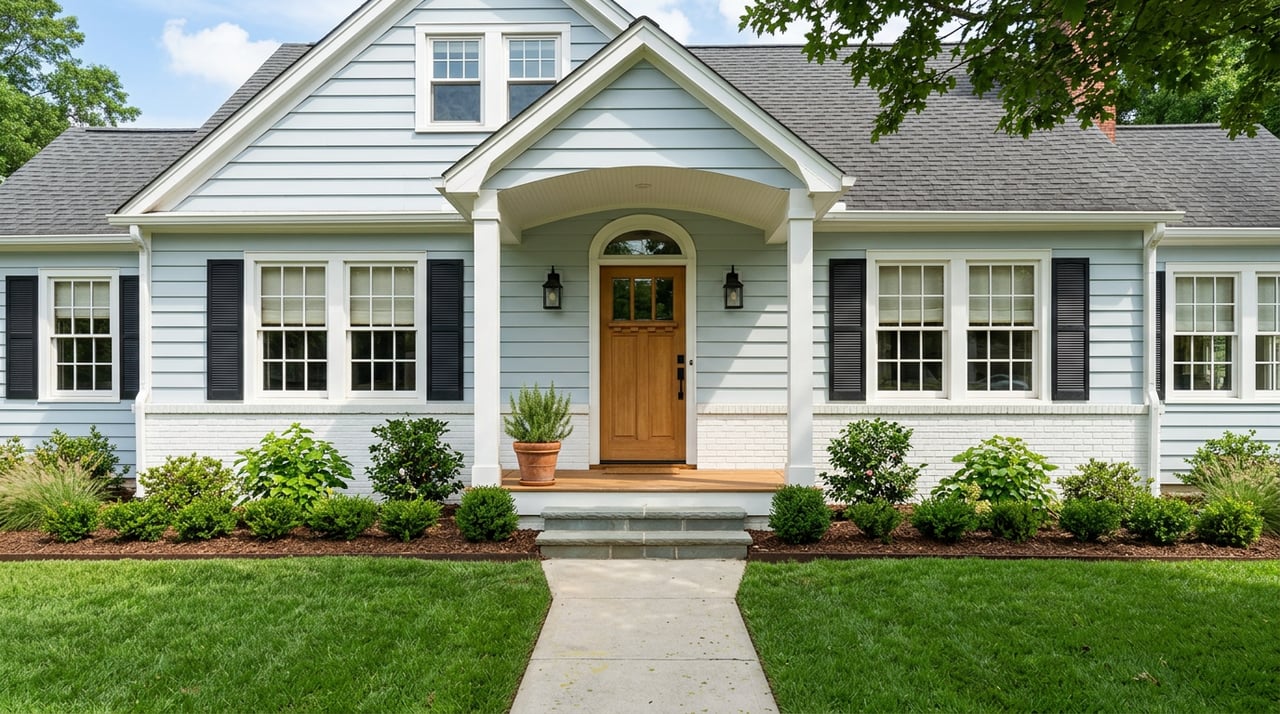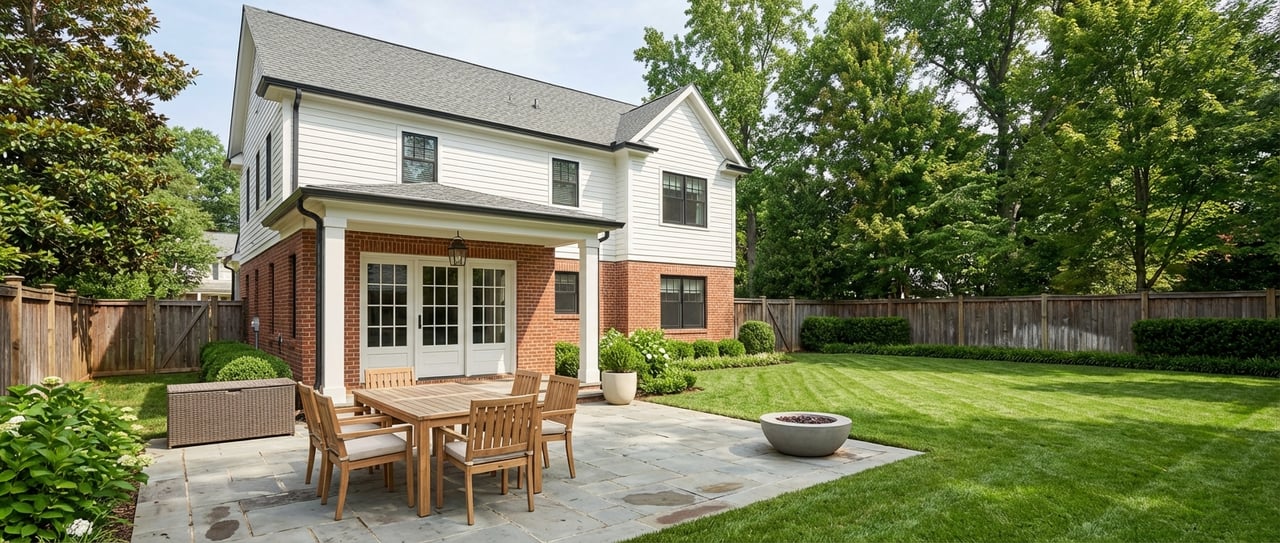
If you’re moving to Atlanta from out of town, you may be wondering how much of the home-buying process you can really handle from a distance. The good news is that remote buying is no longer unusual, and today’s virtual tools can help you narrow options, compare homes, and move forward with more confidence. With the right process, you can make smart decisions while still protecting yourself at every step. Let’s dive in.
Why remote buying works in Atlanta
Remote home buying has become a normal part of the search process. In the National Association of Realtors’ 2024 survey, 43% of buyers started by searching online, 41% said photos were very useful, 39% valued detailed property information, and 31% appreciated floor plans. Buyers also typically viewed two homes online only, which shows how important strong digital presentation has become.
That matters if you’re relocating to Atlanta, juggling a busy schedule, or trying to buy before a move. You can learn a lot from listing photos, floor plans, recorded walkthroughs, and live video tours before ever stepping onto a property. And since 88% of buyers used an agent or broker, having one trusted point of contact can make the process feel much more manageable.
What virtual home tours show well
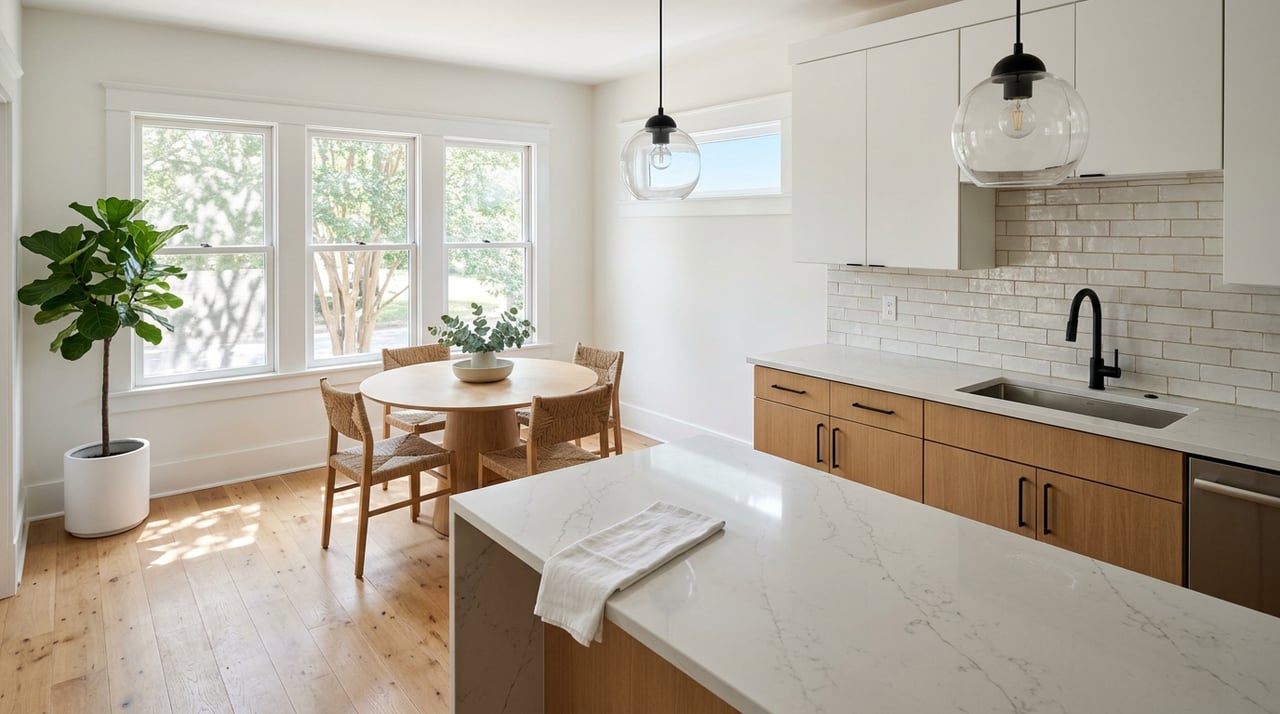
Virtual tours are especially useful when you want to understand how a home actually lives. A good live or recorded walkthrough can help you evaluate layout, room flow, finishes, storage, natural light, and whether the home matches the photos and floor plan.
This is also where presentation matters. According to the NAR 2024 highlights, 83% of buyers’ agents said staging made it easier for buyers to visualize the property as a future home. When a home is well prepared for photos and video, it is often easier for you to assess the space with more clarity.
Best details to assess online
You can usually judge these features well from a distance:
- Overall layout and room connections
- Window placement and natural light
- Kitchen and bath finishes
- Closet and storage options
- Ceiling height and sense of space
- Whether the home appears consistent with the listing description
If you are buying remotely, these details help you create a strong shortlist before you invest time and money in inspections, lender work, and travel.
What virtual tours can miss
Even the best virtual tour has limits. Video can show a lot, but it cannot fully confirm property condition, flood exposure, school assignment, or the local zoning and permitting context around a home.
That is why remote buying should never mean skipping due diligence. The tour helps you decide whether a home is worth pursuing, but it should not replace the professional and public-record checks that protect you before closing.
Key items to verify beyond the screen
Make sure you separately confirm:
- Home condition through an independent inspection
- Property value through the lender’s appraisal process
- Flood risk through official map tools
- School assignment by address through the correct district locator
- Zoning and nearby land-use context through local Atlanta and Fulton County map tools
- Recorded property history through Georgia public records
Use Atlanta map tools early
One of the smartest things you can do as a remote buyer is research the area around the property as early as possible. The City of Atlanta’s maps and GIS tools can help you review zoning maps, property information maps, planning viewer maps, lot boundary maps, and NPU maps.
According to the city’s planning department, these tools can show zoning, neighborhood information, future land use, restrictions or incentives, and rezoning activity near a property. For a buyer who cannot easily drive the area, that context can be just as important as the home itself.
Why this matters in Atlanta
Atlanta is a large, varied metro area, and block-by-block differences can affect your decision. Before you get too attached to a property, it helps to understand what is allowed on the parcel, what activity may be happening nearby, and whether the broader location fits your priorities.
NAR’s 2025 data found that buyers cared most about neighborhood quality, convenience to friends and family, and convenience to the job. Those priorities are often easier to evaluate when you pair virtual tours with official local map research.
Check flood risk before making an offer
Flood review is an important step for any buyer, but especially for someone purchasing from out of town. FEMA says its Flood Map Service Center is the official public source for flood hazard information, and Fulton County also offers a flood plain map through its local mapping resources.
This is worth checking early, not at the last minute. If a property has flood-related considerations, you want to understand that before finalizing your offer strategy or making insurance decisions.
Confirm school assignment by address
If school assignment is part of your home search, verify it by address instead of relying on assumptions. Fulton County Schools’ address lookup tool lets you check the elementary, middle, and high school zones tied to a specific home.
It is also important to remember that Atlanta Public Schools is a separate district. If you are searching in Atlanta or north Fulton areas, confirming the correct district early can save you time and help you narrow your search more accurately.
Review records and property history
Remote buyers can also do a surprising amount of public-record research online. Georgia’s Real Estate Index through GSCCCA provides internet access to county deed, lien, and plat dockets, along with statewide lien and PT-61 transfer-tax and sales data.
That can help you review recorded history, official sales data, and liens without needing to visit a courthouse in person. It is a practical way to add another layer of confidence when you are buying from a distance.
What still needs professional verification
No matter how strong the listing photos or video tour may be, a few parts of the process still need in-person or professional review.
Home inspection
The Consumer Financial Protection Bureau says you should schedule a home inspection as soon as possible and warns against buying a home without a thorough inspection. The inspection is there to help protect you from serious defects, including structural or mechanical problems.
If you can attend the inspection, CFPB recommends doing so. If you cannot, your inspector’s report and follow-up questions become even more important.
Appraisal
Georgia Consumer Ed explains that the appraisal and inspection serve different roles. The appraiser determines the home’s value for the lender, while the home inspector looks for major problems in the property. A strong virtual showing may help you feel excited about a home, but it does not replace the lender’s value review or the inspection of the home’s condition.
Final walk-through
Before closing, CFPB says buyers should do a final walk-through to make sure agreed repairs were completed and that items the seller agreed to leave are still there. This step matters because it confirms the property is in the expected condition before you sign the final paperwork.
How digital-friendly closings work in Georgia
Georgia is generally friendly to digital real estate transactions. According to GSCCCA, sale contracts, mortgage instruments, and promissory notes can be memorialized electronically under UETA and the federal E-SIGN Act. GSCCCA also supports real-estate eFiling in participating counties.
At the same time, the exact mix of e-signatures, remote notarization, and recording can vary based on the document and closing setup. Georgia’s rules define electronic signatures and remote notarization, but the safest takeaway is simple: many parts of the process can be handled digitally, while proper recording and closing procedures still matter.
A simple remote-buying workflow
If you want to buy in Atlanta from a distance, a clear step-by-step plan can make the process feel much less overwhelming.
1. Set priorities before touring
Define your budget, preferred areas, daily routine needs, flood-risk comfort level, and any school-zone preferences before you start viewing homes. This gives you a better filter and helps prevent decision fatigue.
2. Use virtual tours to narrow the list
Focus on live video walkthroughs, recorded tours, floor plans, and detailed photos. These are the same digital features buyers consistently say they value most.
3. Write an offer with protection built in
If you move forward, make sure your contract structure gives you time for inspections and due diligence. Georgia Consumer Ed notes that buyer’s agents help show homes, negotiate the purchase, and explain the process, which is especially useful when you are not local.
4. Move quickly on due diligence
Schedule inspections as soon as possible, review title and lender documents carefully, and watch for your Closing Disclosure. CFPB says lenders must provide the Closing Disclosure three business days before closing, giving you time to compare it with the Loan Estimate and resolve surprises.
5. Verify wiring instructions by phone
This is one step you should never rush. The CFPB warns that mortgage-closing scammers may send fake wiring instructions, often through last-minute emails that appear legitimate. Always confirm payment instructions by phone or in person with a trusted contact.
Why communication matters most
When you buy remotely, clear communication is often the difference between feeling stressed and feeling confident. You need timely updates, honest feedback during tours, and help connecting each piece of the process, from neighborhood research to inspection findings to closing prep.
That is where a digital-first, relationship-focused approach can really help. With dependable communication, neighborhood guidance, and a structured plan, remote buying in Atlanta can feel far more personal and far less uncertain.
If you’re planning a move and want a local expert who can guide you through virtual tours, neighborhood research, and every step of the process, connect with Erin Olivier. You’ll get white-glove service, clear communication, and trusted metro-Atlanta insight designed to help you buy with confidence from anywhere.
FAQs
Can you buy a home in Atlanta without seeing it in person?
- Yes, many buyers start online and some homes are viewed online only, but you should still plan for an independent inspection, a final walk-through, and careful review of closing documents.
What can a virtual home tour show for an Atlanta property?
- A virtual tour can help you evaluate layout, room flow, finishes, storage, natural light, and whether the home appears to match its photos and floor plan.
What can a virtual home tour miss when buying in Fulton County?
- A virtual tour may not fully confirm property condition, flood exposure, school assignment, zoning context, or permitting activity near the home.
How do you check school zones for a home in Fulton County?
- Use the official Fulton County Schools address lookup tool and verify the correct district first, since Atlanta Public Schools and Fulton County Schools are separate districts.
Is Georgia a digital-friendly state for remote home buying?
- Yes, many transaction steps can be handled digitally in Georgia, including common e-signature workflows, but the exact closing setup depends on the documents, notarization needs, and county recording requirements.
How can remote buyers protect themselves from wire fraud at closing?
- Confirm all wiring instructions by phone or in person with a trusted contact and never rely only on payment instructions sent by email.