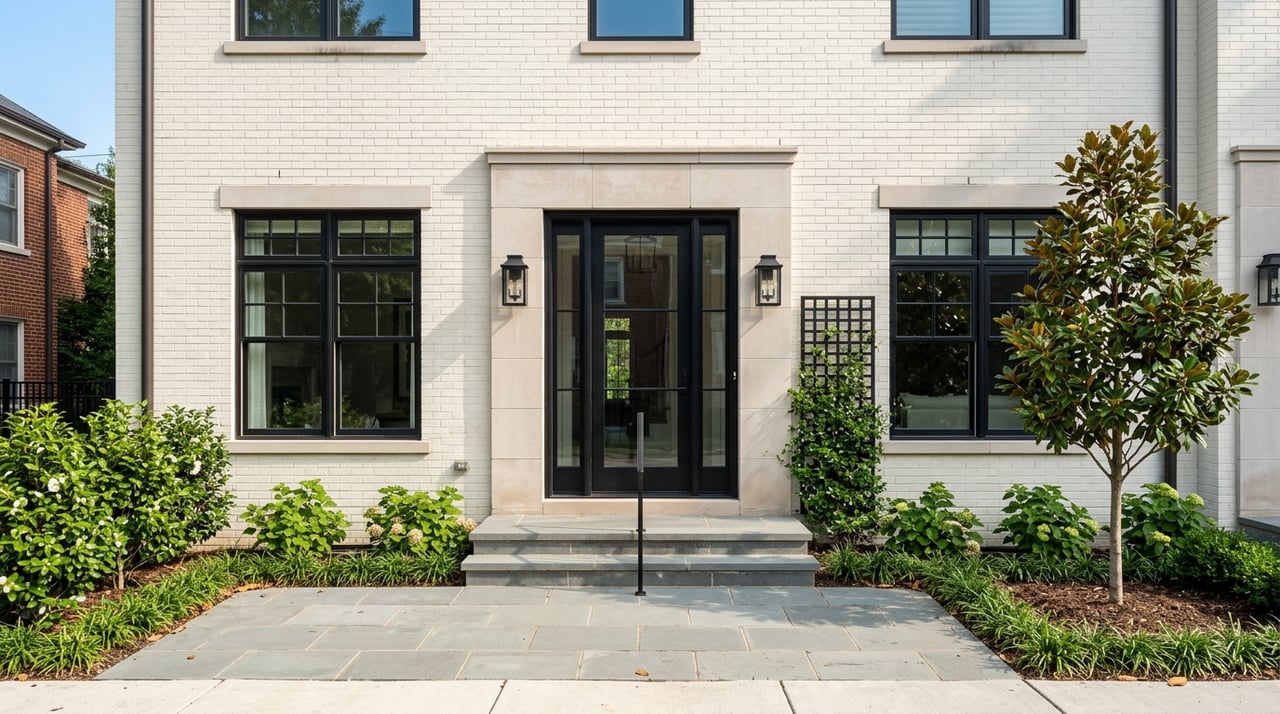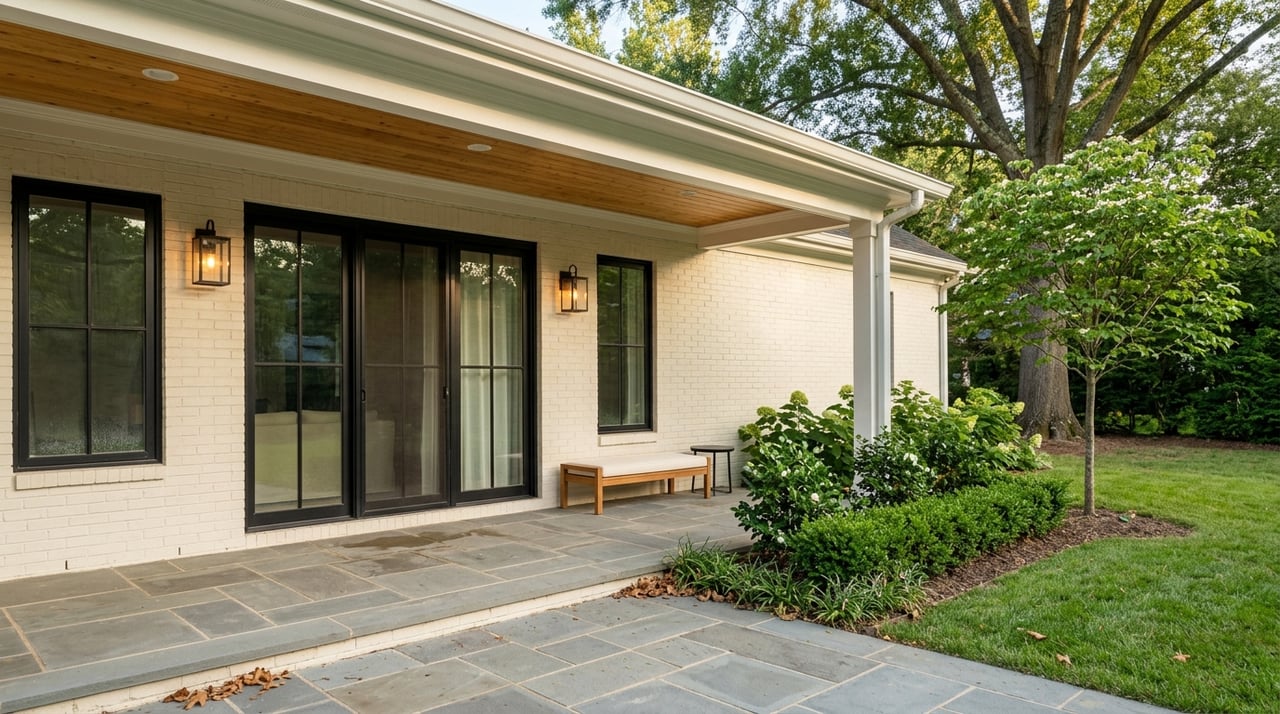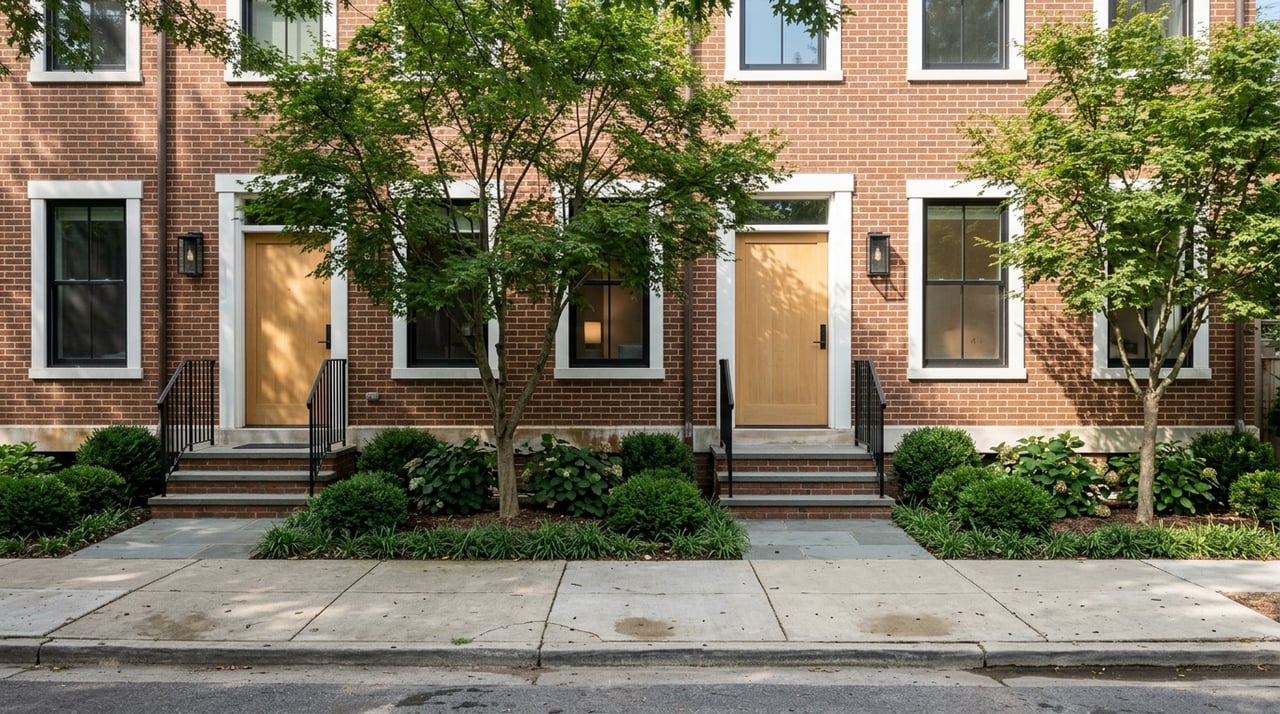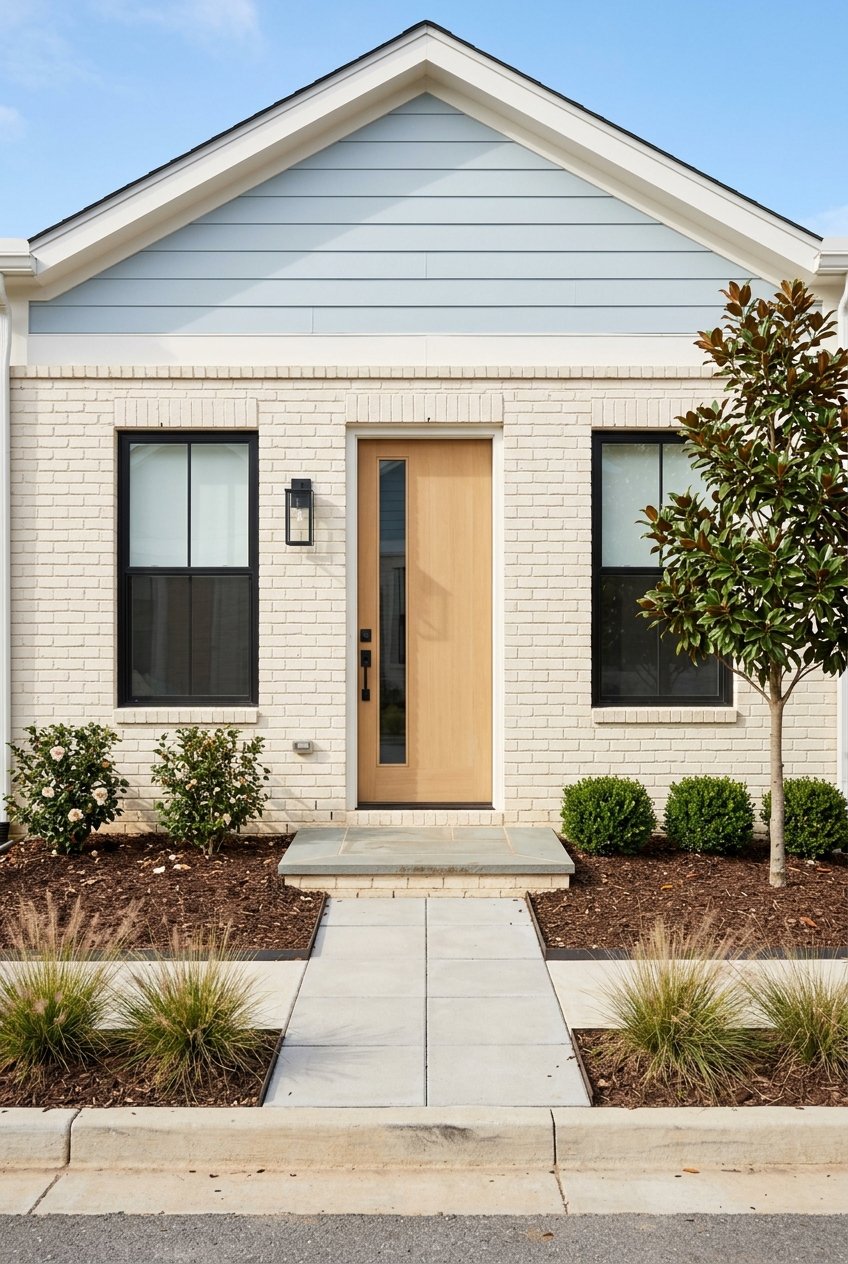
Wondering if you can enjoy homeownership in Roswell without spending every weekend on yard work and exterior chores? You are not alone. Many buyers want a home that feels comfortable and manageable, especially if you travel often, are downsizing, or simply want less day-to-day upkeep. The good news is that Roswell offers several housing patterns that can support that goal, but the details matter. Let’s dive in.
What Low-Maintenance Living Means
Low-maintenance living does not always mean the same thing from one buyer to the next. For some, it means a smaller yard and less landscaping. For others, it means attached housing or a community where some exterior tasks may be handled through an association.
In Roswell, the best fit usually comes down to three things: the property type, the community rules, and the true monthly cost of ownership. A home can look simple to maintain in listing photos, but the real story is in the zoning, the HOA documents, and the property’s location context.
Why Roswell Works for This Search
Roswell gives you useful tools for comparing homes before you ever step inside one. The city’s GIS resources can help you review zoning, land use, subdivisions, and watersheds, which is especially helpful if you are trying to sort through smaller-lot homes, townhomes, or homes near shared green space.
That kind of research matters because low-maintenance living is not just about the home itself. It is also about what surrounds it, what the property sits near, and whether there are site conditions that could affect your upkeep or insurance costs over time.
Roswell Home Types to Watch
If your goal is less exterior work, Roswell’s development code points to a few housing categories worth understanding. These categories can help you narrow your search and ask better questions when you find a home you like.
Small-Lot Detached Homes
Roswell’s Unified Development Code includes single-family small-lot districts such as RS-9, RS-6, and RS-4. These districts are often the best fit when you want a detached home with less private yard to manage.
This option can appeal to buyers who still want the feel of a standalone house but do not want the upkeep that often comes with a larger lot. You may still handle your own exterior maintenance, but the scale of that work can be more manageable.
Cottage Court Communities
The R-CC district stands for Residential Cottage Court. Roswell describes this as single-family living in detached homes arranged around a common landscaped courtyard.
For many buyers, this is one of the closest official code-based matches to what people casually call cluster-home living. You may get the benefit of a smaller private outdoor area while still enjoying shared open space that creates a more connected layout.
Townhomes and Similar Formats
The R-TH district, or Residential Townhouse, allows residential living in several formats, including townhouse-style development. For buyers focused on convenience, townhomes are often part of the conversation because some exterior tasks may shift to the association, depending on the community’s governing documents.
That said, a townhome is not automatically the easiest home to maintain. The maintenance split can vary from one community to another, so you need to confirm exactly what the HOA covers and what remains your responsibility.
Planned Residential Developments
Roswell also includes PRD, or Planned Residential Development, as a zoning category. The city describes PRD as a way to create a more coordinated and coherent development pattern than a single zoning district might allow on its own.
In practical terms, PRD communities can include layouts and shared features that support a simpler ownership experience. Still, you should avoid assuming that every PRD community offers the same maintenance setup. The rules and costs can differ widely.
What to Check Beyond the Listing
A low-maintenance home is only as simple as the documents behind it. If you want fewer surprises after closing, look past the listing description and review the details that shape your day-to-day ownership.
HOA Dues and Total Monthly Cost
HOA dues are part of the cost of living in many low-maintenance communities. They are usually paid separately from your mortgage payment, and they should be counted as part of your full monthly housing cost along with taxes, insurance, utilities, and routine maintenance.
This is where buyers sometimes get tripped up. A home with less personal upkeep may still come with dues that materially change your monthly budget. The right question is not just whether there is an HOA, but whether the value of what it covers makes sense for your lifestyle.
What the HOA Actually Covers
Association dues are often used for shared expenses like landscaping and maintenance of common areas. That can be a real advantage if your goal is to reduce hands-on exterior work.
Still, coverage varies. In one community, dues may help with landscaping and common-area care. In another, they may cover more or less than you expect. Always verify the details rather than relying on general assumptions about townhomes or smaller-lot communities.
Rules for Exterior Changes
If low-maintenance living matters to you, flexibility may matter too. Before you buy, review the CC&Rs and bylaws to understand whether exterior changes require approval.
This can affect simple future plans, from updating landscaping to making changes to outdoor spaces. A home may feel easy to own, but community rules can shape how much control you have over its appearance.
Reserve Funds and Special Assessments
A well-run association does more than collect dues. Financial statements and reserve information can help you see whether the community is planning ahead for future repairs and larger expenses.
This is important because some associations may require special assessments from time to time. If you are choosing a home because you want ownership to feel simpler and more predictable, this step deserves close attention.
Floodplain Risk Matters in Roswell
Low-maintenance buyers should also think about site conditions, not just floor plans. Roswell says about 10% of the city is located in or near a 100-year floodplain.
That does not mean every home near a creek or the river is the wrong fit. It does mean you should check floodplain status early, especially if you are considering attached housing or smaller-lot homes in areas where water and watershed context may affect insurance needs and long-term costs.
A Smart Roswell Research Process
If you want to sort through options efficiently, it helps to follow a simple process. Roswell’s local tools make that easier.
Start With the GIS Viewer
Use the city GIS viewer to confirm zoning and review the surrounding context. This can help you understand whether a property falls in a small-lot detached district, a townhouse-related district, a cottage court pattern, or a planned development.
It can also help you review watershed and floodplain context before you invest too much energy in one listing. That early clarity can save time and reduce surprises.
Then Read the Community Documents
Once a property looks promising, read the HOA documents carefully. Focus on four key items:
- The amount of the dues
- What maintenance the dues cover
- Whether exterior changes need approval
- Whether the association has reserves or signs of future special assessments
These details often tell you more than the photos ever will. They can help you separate a truly low-maintenance option from one that only sounds that way in marketing language.
Trade-Offs to Think Through
Low-maintenance living can be a great fit, but it still comes with trade-offs. In many cases, you are exchanging some personal maintenance responsibility for dues, rules, and a shared decision-making structure.
That can work very well if it matches your goals. If you travel often, want less yard work, or prefer a more lock-and-leave style of ownership, the trade may be worth it. If you want complete freedom over exterior changes or want to minimize recurring association costs, you may prefer a small-lot detached home instead.
The best choice is usually the one that still works if your lifestyle changes later. A home should fit your life today, but it should also remain practical if your routines, budget, or priorities shift over time.
If you are exploring low-maintenance living in Roswell and want dependable communication, neighborhood guidance, and a clear process from search to closing, Erin Olivier can help you compare options with confidence.
FAQs
What does low-maintenance living in Roswell usually mean?
- It usually means a home with less private yard work, shared exterior responsibilities, or a smaller-lot layout, but the actual upkeep depends on the property type and community documents.
Are townhomes in Roswell always easier to maintain?
- No. A Roswell townhome may shift some exterior tasks to the HOA, but you need to confirm what the association covers, what you maintain yourself, and whether there are special assessments or approval rules.
Are cluster homes an official Roswell zoning category?
- Not exactly. Roswell’s code more clearly uses terms like cottage court, townhouse, small-lot detached, and planned residential development, while cluster home is more of a market shorthand.
How can you tell if a Roswell home is truly low-maintenance?
- Check the HOA dues, reserve information, rules for exterior changes, and the property’s floodplain context before deciding whether the home fits your goals.
Why should Roswell buyers check floodplain status?
- Roswell says about 10% of the city is located in or near a 100-year floodplain, so flood status can affect insurance needs and the long-term cost of owning the home.
What Roswell tools can help you research low-maintenance homes?
- The city GIS viewer can help you review zoning, land use, subdivisions, watersheds, and surrounding property context before you move forward with a home.